
Nanners on Cannabis Plants: The Complete Guide: Close-Up Nanner Photos
How to Identify, Prevent, and Handle Banana-Shaped Pollen Sacs in Feminized Grows
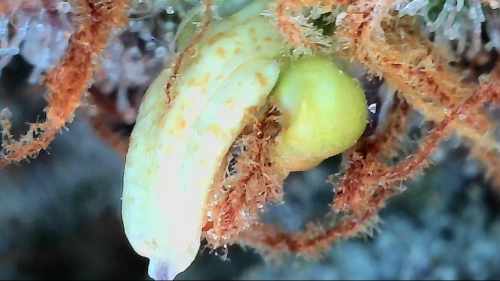
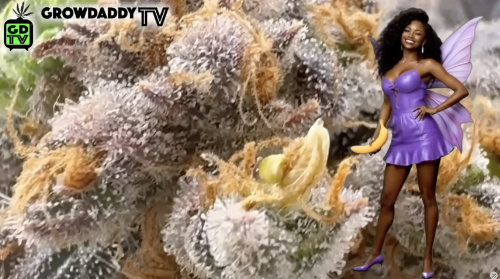
Nanners — those tiny, banana-shaped yellow protrusions you sometimes find in late flower — are one of the most misunderstood phenomena in cannabis cultivation.
This guide is your complete, science-backed, grower-tested reference for identifying nanners, understanding why they appear, and knowing exactly what to do if you find them. GrowDaddyTV style: zero panic, maximum clarity.
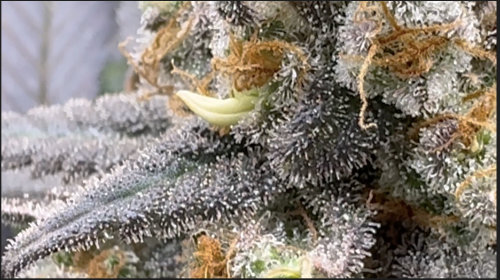
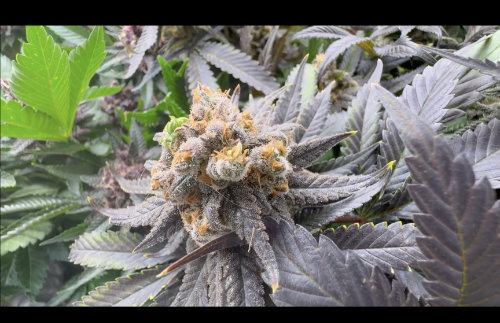
This page includes rare, high-definition macro photos and electronic-microscope close-ups.
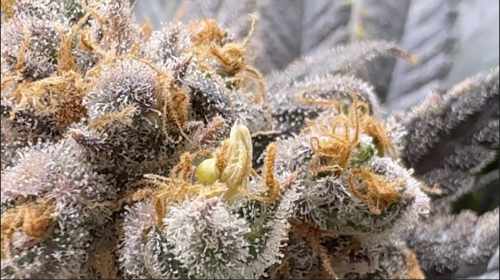
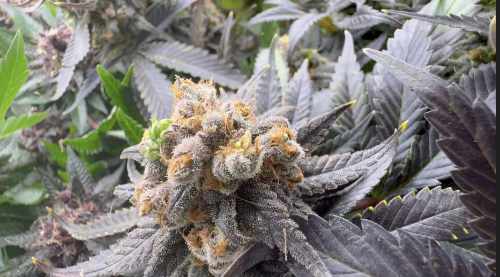
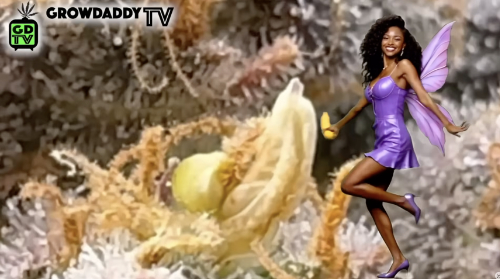
Nanner Closeups 🍌
What Are Nanners? (Fast Definition for Google Snippet)
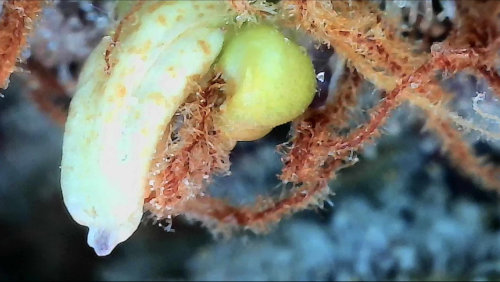
Nanners are exposed male pollen sacs that form on a female cannabis plant under stress. Unlike full male flowers, nanners do not grow inside a cluster — they appear directly from the bud site as thin, yellow, banana-shaped organs that can release pollen and create seeds.
Simple version:
Nanners = the plant’s last-minute “emergency reproduction mode.”
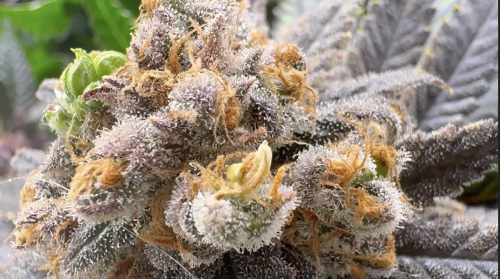
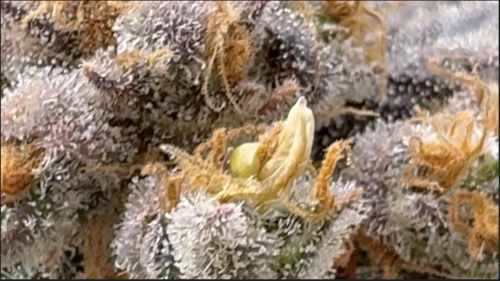
🔬 What Nanners Look Like
Nanners are typically:
- Bright yellow to lime-yellow
- Shaped like tiny bananas (2–5 mm)
- Smooth, soft, and slightly curved
- Found poking out of the calyx or bud
- Often appear alone, not in clusters
Nanner FAQs 🍌
- Are nanners the same as seeds?
- No — nanners create seeds, but are not seeds themselves.
- Do nanners mean my plant will hermie?
- Not necessarily. Many appear late and are sterile.
- Can I finish my plant if it has nanners?
- Yes — most growers do.
- Can feminized seeds produce nanners?
- Yes — all cannabis can under stress.
- How long after a nanner appears can seeds form?
- About 3–5 weeks.
- Late nanners = too late to cause fully mature seeds.
Conclusion
Nanners look scary, but with the right understanding — and the right organic, stable grow environment — they’re mostly just a sign that the plant is trying to survive.
Nanners vs Hermie: What’s the Difference?
This is the part Google often gets wrong — so we’re going to nail it.
Hermaphrodite (Full Hermie)
- Produces male flower clusters
- Ball-shaped pollen sacs (like tiny grapes)
- Usually multiple sites
- Much more pollen
- Requires immediate removal or chop
Nanners
- Exposed single anthers
- Not enclosed in a male flower
- Often sterile or low pollen
- Usually appear late in flower
- Often caused by a stress event
Think of nanners as a “micro hermie expression,” not a full plant gender switch.
Why Do Nanners Happen? 12 Causes Of Nanners🍌
🍌 1. Light Stress (the #1 cause)
- Light leaks during dark cycle
- Sudden light schedule change
- Excessive intensity (“sunburn stress”)
🍌2. Heat Spikes
- Above 29–30°C (84–86°F) increases hermie potential.
🍌 3. Drought Stress / Dry-Backs
- Plants interpret drought as “reproduce now or die.”
🍌 4. Overwatering / Root Hypoxia
🍌 5. Nutrient Imbalance
Especially:
- Too much nitrogen in flower
- Sudden deficiency
- Salt toxicity in non-organic grows
🍌6. Genetics
- Some cultivars are more hermie-prone, even high-end ones.
🍌 7. Late-Flower Survival Mode
- Nanners at week 9–10+ are extremely common and usually low-risk.
🍌8. Mechanical Stress
- Heavy defoliation
- Aggressive training
- Accidental snapping
🍌9. Pest damage
- Thrips and spider mites trigger stress hormones.
🍌 10. Overcrowding / Lack of airflow
🍌 11. Poor-quality feminized seeds
🍌12. Sudden environmental noise
- Major VPD swings, humidifier failures, fan outages, etc.

Do Nanners Always Cause Seeds?
Do Nanners Always Produce Seeds?
No — and this is where growers get confused.
High chance of seeds:
- Early-flower nanners
- Multiple nanners per branch
- Full herm ball clusters
Low chance of seeds:
- Late-flower (week 9–10+) nanners
- Single or isolated nanners
- Plants in tightly controlled organic systems (like ours)
Many nanners release zero viable pollen — they simply dry up and fall off.
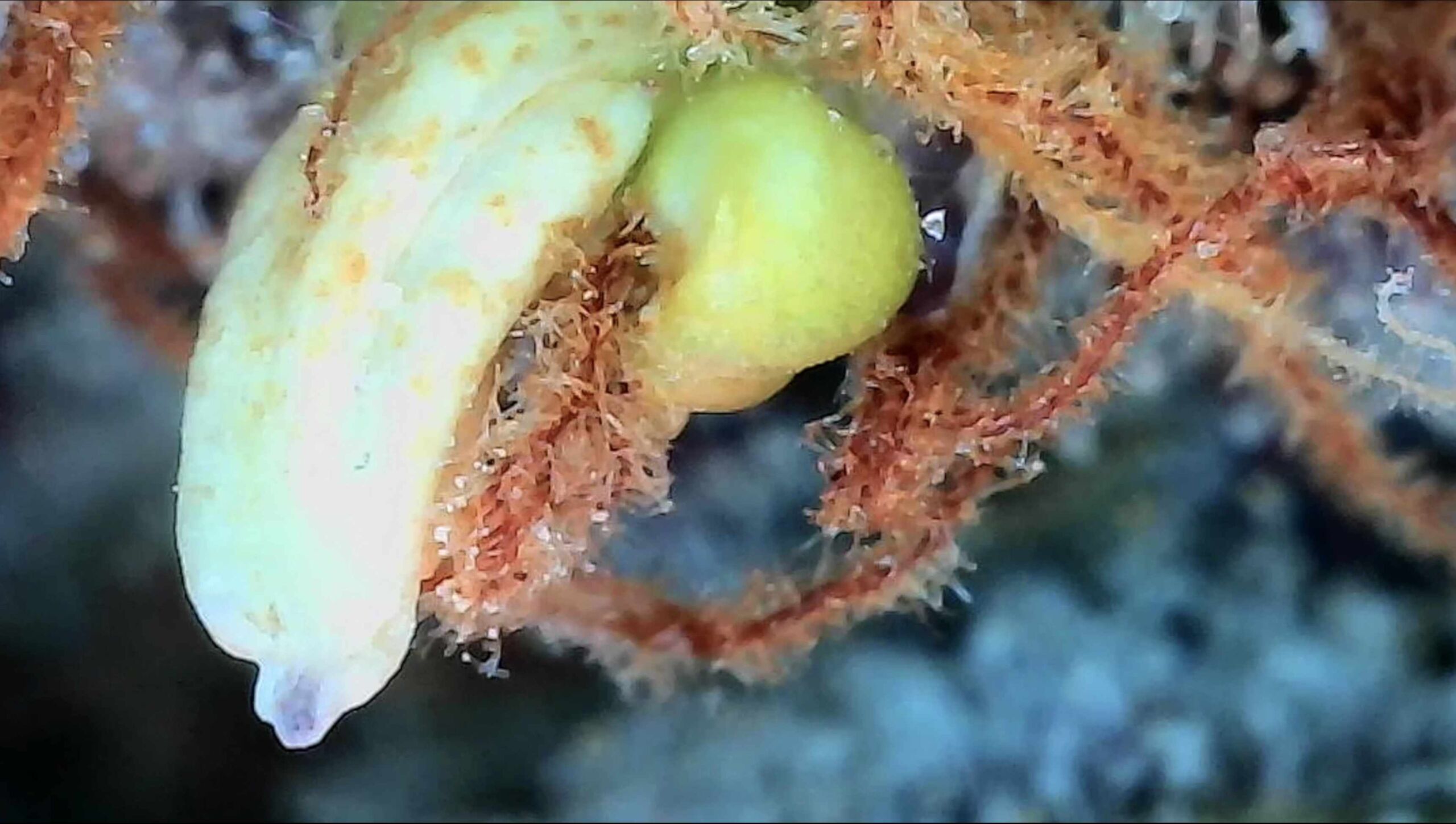
How to Identify a Nanner
- Emerging anther (tiny yellow tip pokes out)
- Full exposure (banana shape visible)
- Dehydrated / dried (shriveled and harmless)
Cannabis Nanners Action Plan
What To Do If You See Nanners — Step-by-Step
1. Don’t panic. Seriously.
Most nanners appear late and cause little to no seeding.
2. Remove with tweezers
- Sterile tweezers + slow movement.
- Don’t pinch too hard; you don’t want to squeeze pollen out.
3. Mist the area lightly
- Water neutralizes pollen on contact.
- Use a soft spray, not a blast.
4. Inspect nearby buds
5. Check environment logs
Look for:
- Lights turning on at the wrong time
- Heat spikes
- RH drops
- VPD swings
- Dry-backs
(We use Blumat Moisture Meters – no dryback stress here!)
6. Don’t chop early unless it’s extreme
A plant with a few late-stage nanners is still high-quality.
Cannabis Nanner Prevention
How to Prevent Nanners (GrowDaddyTV Organic Method)
We have a definite “prevent hermies” policy!
1. Perfect light discipline
- No leaks, no surprises.
2. Stable VPD all day
- Use your kPa calculations here — searchers love technical credibility.
3. Organic growing = gentler on the plant
- Mention your 100% organic/no salts system.
4. Moist, steady hydration with Blumats
- No drought stress → fewer nanners.
5. Zero leaf-touching lights
- Keep diodes away from colas.
6. Avoid dramatic defoliation mid-flower
7. Support branches to prevent bending stress
Are Nanners Safe to Smoke?
- Yes. Seeds do not affect the safety; they only reduce flower density and smoothness.
- Trichome maturity matters more than nanners.
Why Nanner Photos Are So Rare
Cannabis Nanners Closeup Photos Are Hard To Find!
Lots of growers:
- Miss them entirely
- Are embarrassed
- Don’t take good photos
- Don’t have microscope equipment
We just happened to catch them and pull a nanner pappazzi!
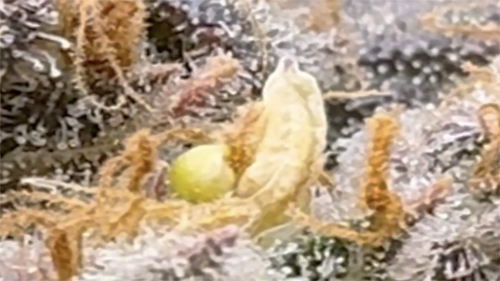
- Macro photo of a cannabis nanner protruding from a calyx at week 9 of flower
- Banana-shaped exposed anther on feminized cannabis plant — close-up
- 40x microscope image of cannabis nanner showing pollen-bearing surface
- Late-flower survival-mode nanners on mature cannabis buds
- What nanners look like vs full male pollen sacs — side-by-side comparison
So Season 11 of GDTV GrowDaddyTV was the season of the nanners.
Colette was a big surprise – she had always been such a good girl LOL!
UPDATE: While rolling-up some nice, cured-up “Colette” lately, GrowDaddy noticed to his (pleasant) surprise, that there are HARDLY ANY SEEDS, despite all the nanners!